"Photography is the only language that can be understood anywhere in the world."
Bruno Barbey
Photography is the art, application, and practice of creating images by recording light, either electronically by means of an image sensor, or chemically by means of a light-sensitive material such as photographic film.
Photography is a captivating art form that captures moments in time, freezing them for eternity within the confines of a frame. It transcends language and culture, allowing individuals to communicate and express emotions through visual storytelling. With the click of a shutter, a skilled photographer can transform the ordinary into the extraordinary, finding beauty in the mundane and meaning in the fleeting. Photography isn't just about technical proficiency; it's a medium for self-expression, a means to convey unique perspectives, and a powerful tool to document history and the world's evolving narratives. It invites us to see the world through someone else's eyes, encouraging empathy, understanding, and a deep appreciation for the diverse tapestry of life that surrounds us. Whether it's capturing the grandeur of nature, the intimacy of a portrait, or the chaos of a bustling city, photography invites us to explore the beauty and complexity of our world one frame at a time.
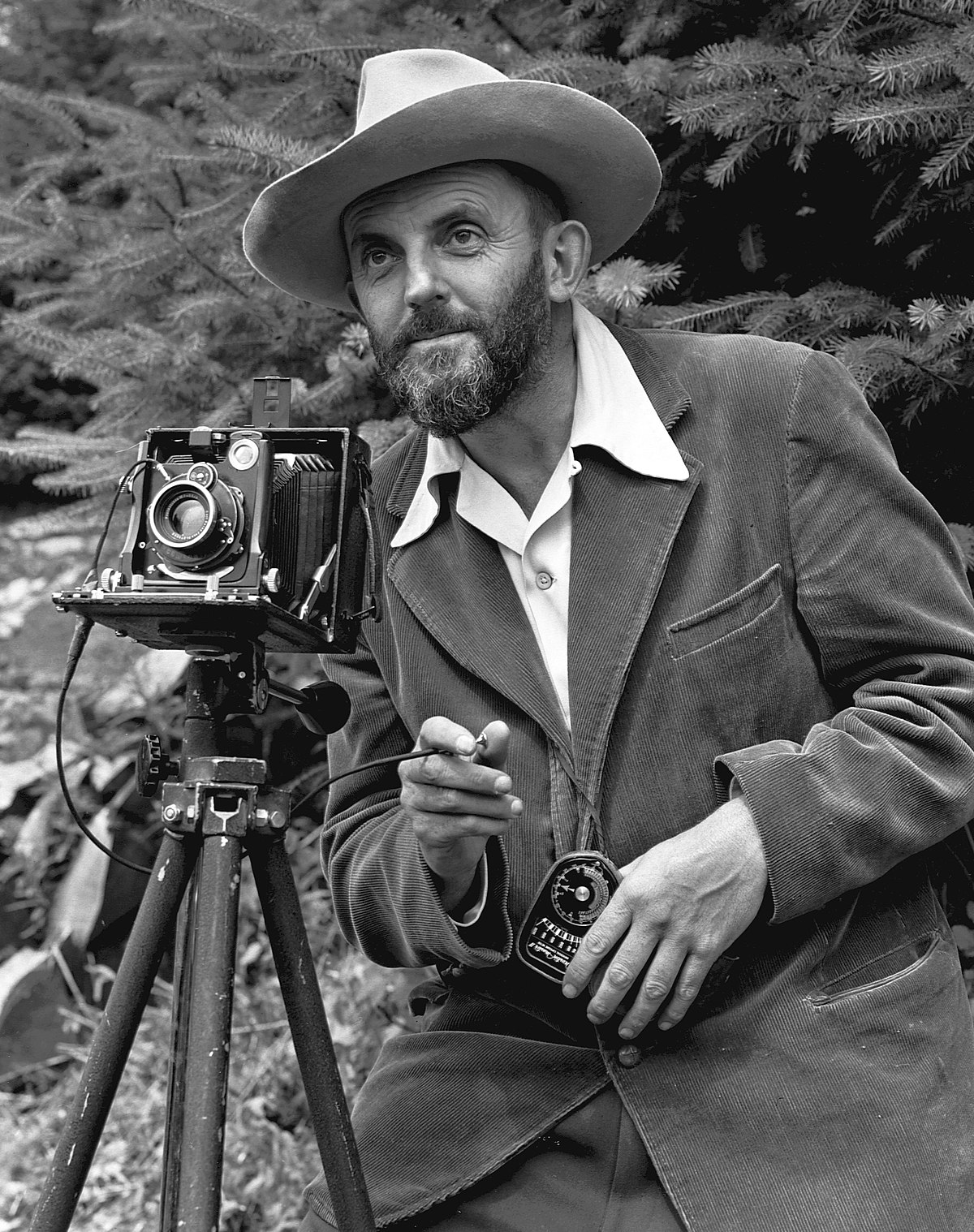
Ansel Easton Adams (February 20, 1902 – April 22, 1984) was an American landscape photographer and environmentalist known for his black-and-white images of the American West. He helped found Group f/64, an association of photographers advocating "pure" photography which favored sharp focus and the use of the full tonal range of a photograph. He and Fred Archer developed a system of image-making called the Zone System, a method of achieving a desired final print through a technical understanding of how the tonal range of an image is the result of choices made in exposure, negative development, and printing.
Adams was a life-long advocate for environmental conservation, and his photographic practice was deeply entwined with this advocacy. At age 12, he was given his first camera during his first visit to Yosemite National Park. He developed his early photographic work as a member of the Sierra Club. He was later contracted with the United States Department of the Interior to make photographs of national parks. For his work and his persistent advocacy, which helped expand the National Park system, he was awarded the Presidential Medal of Freedom in 1980.
Adams was a key advisor in the founding and establishment of the photography department at the Museum of Modern Art in New York, an important landmark in securing photography's institutional legitimacy. He helped to stage that department's first photography exhibition, helped found the photography magazine Aperture, and co-founded the Center for Creative Photography at the University of Arizona.
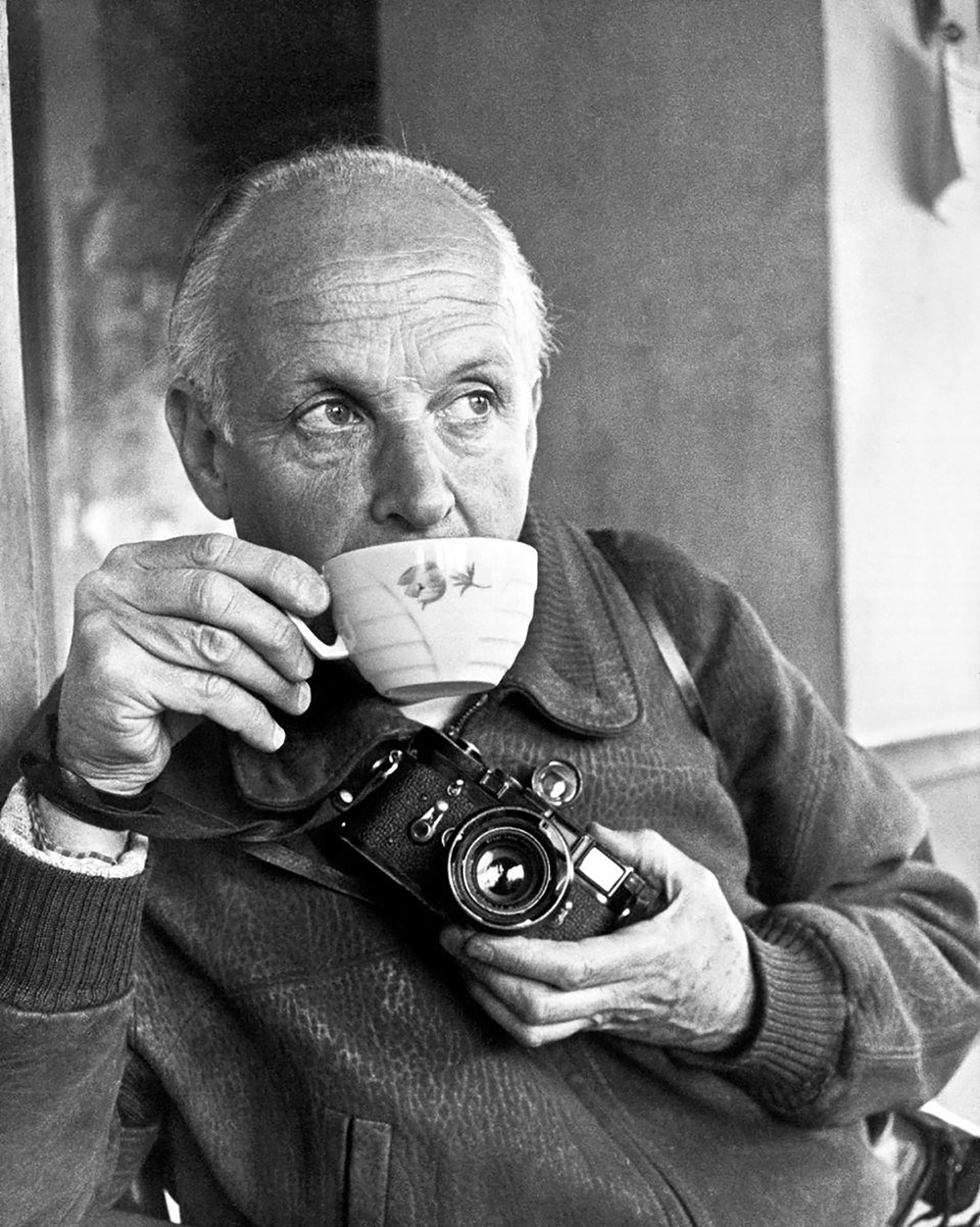
Henri Cartier-Bresson (French: [kaʁtje bʁɛsɔ̃]; 22 August 1908 – 3 August 2004) was a French artist and humanist photographer considered a master of candid photography, and an early user of 35mm film. He pioneered the genre of street photography, and viewed photography as capturing a decisive moment.
Cartier-Bresson was one of the founding members of Magnum Photos in 1947. In the 1970s, he largely[clarification needed] discontinued his photographic work, instead opting to paint.
Henri Cartier-Bresson was born in Chanteloup-en-Brie, Seine-et-Marne, France.[3] His father was a wealthy textile manufacturer, whose Cartier-Bresson thread was a staple of French sewing kits. His mother's family were cotton merchants and landowners from Normandy, where Henri spent part of his childhood. His mother was descended from Charlotte Corday.
The Cartier-Bresson family lived in a bourgeois neighborhood in Paris, Rue de Lisbonne, near Place de l'Europe and Parc Monceau. Since his parents were providing financial support, Henri pursued photography more freely than his contemporaries. Henri also sketched.
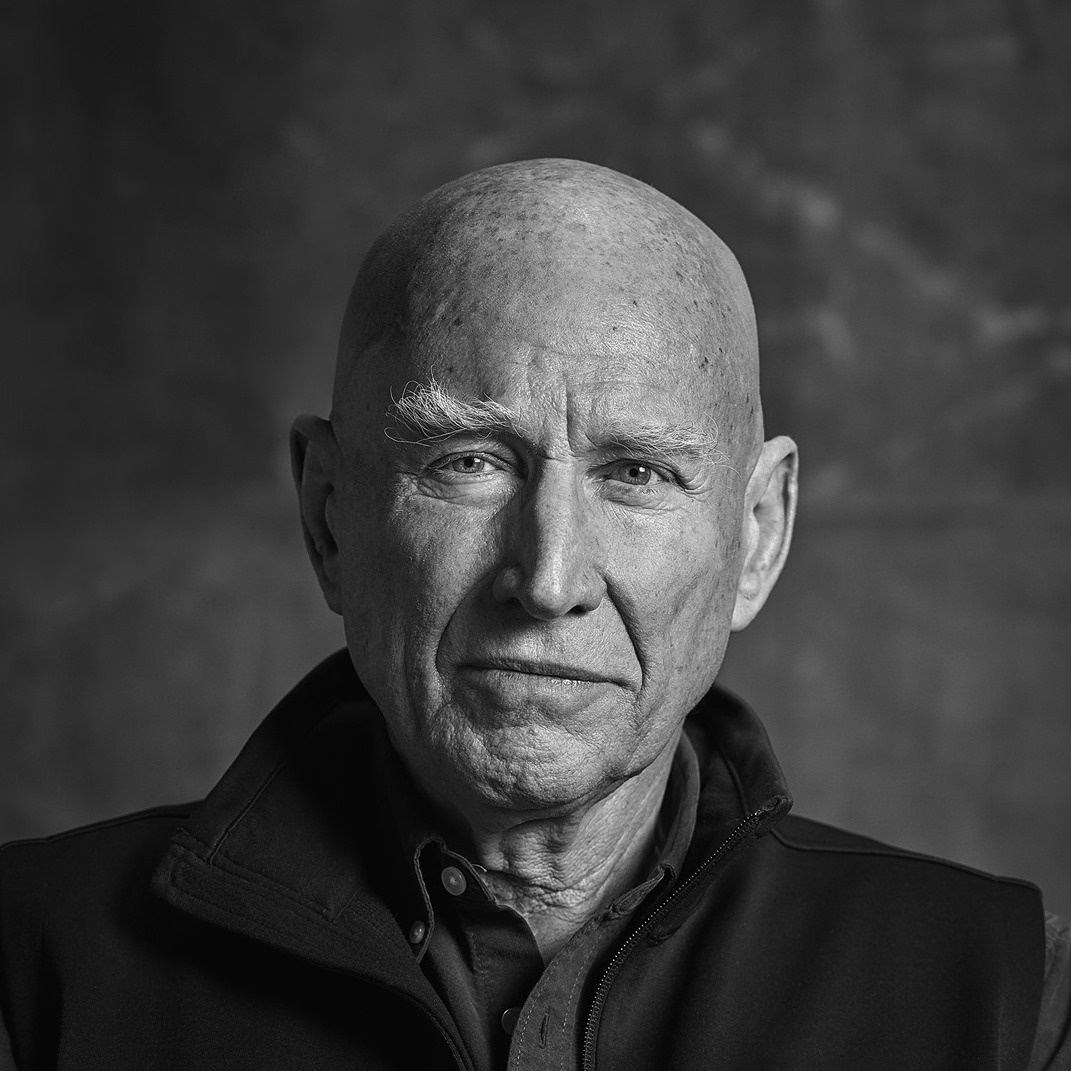
Sebastião Ribeiro Salgado Júnior (born February 8, 1944) is a Brazilian social documentary photographer and photojournalist.
He has traveled in over 120 countries for his photographic projects. Most of these have appeared in numerous press publications and books. Touring exhibitions of his work have been presented throughout the world.
Salgado is a UNICEF Goodwill Ambassador. He was awarded the W. Eugene Smith Memorial Fund Grant in 1982,[3] Foreign Honorary Membership of the American Academy of Arts and Sciences in 1992[4] and the Royal Photographic Society's Centenary Medal and Honorary Fellowship (HonFRPS) in 1993.[5] He has been a member of the Académie des Beaux-Arts at the Institut de France since April 2016.
Salgado was born on February 8, 1944, in Aimorés, in the state of Minas Gerais, Brazil. After a somewhat itinerant childhood, Salgado trained as an economist, earning a BA degree from UFES, a master's degree from the University of São Paulo in Brazil, and a PhD from University of Paris.
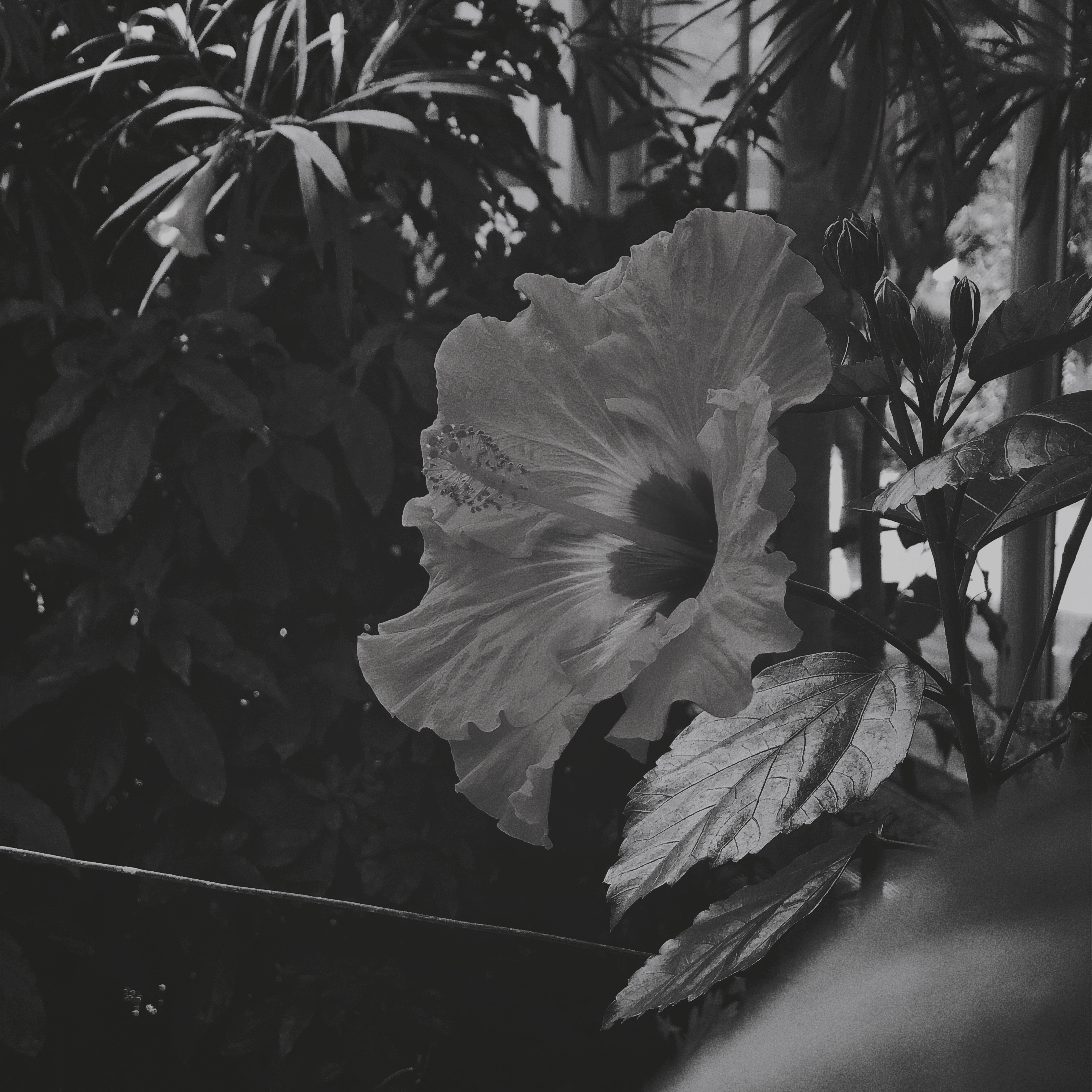
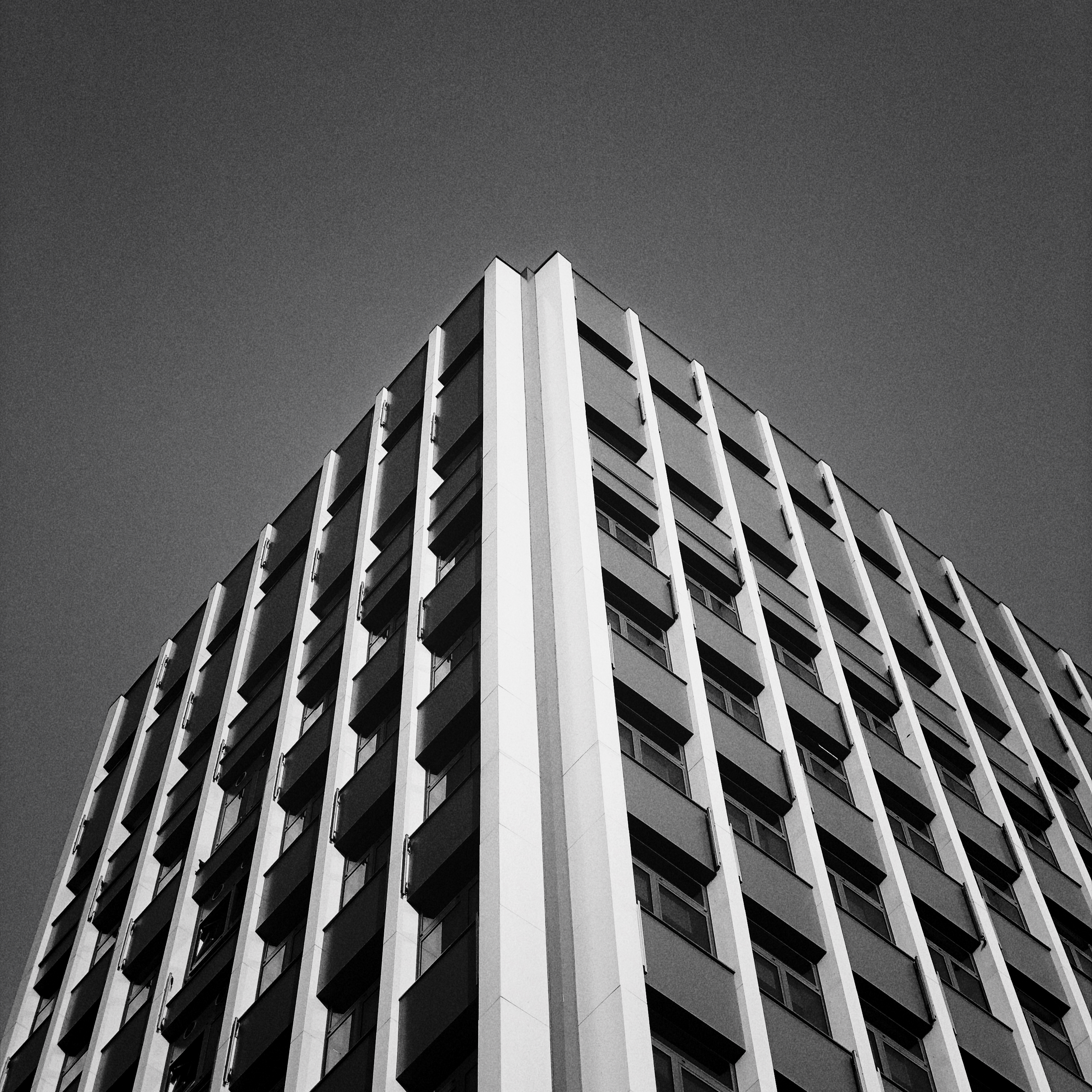
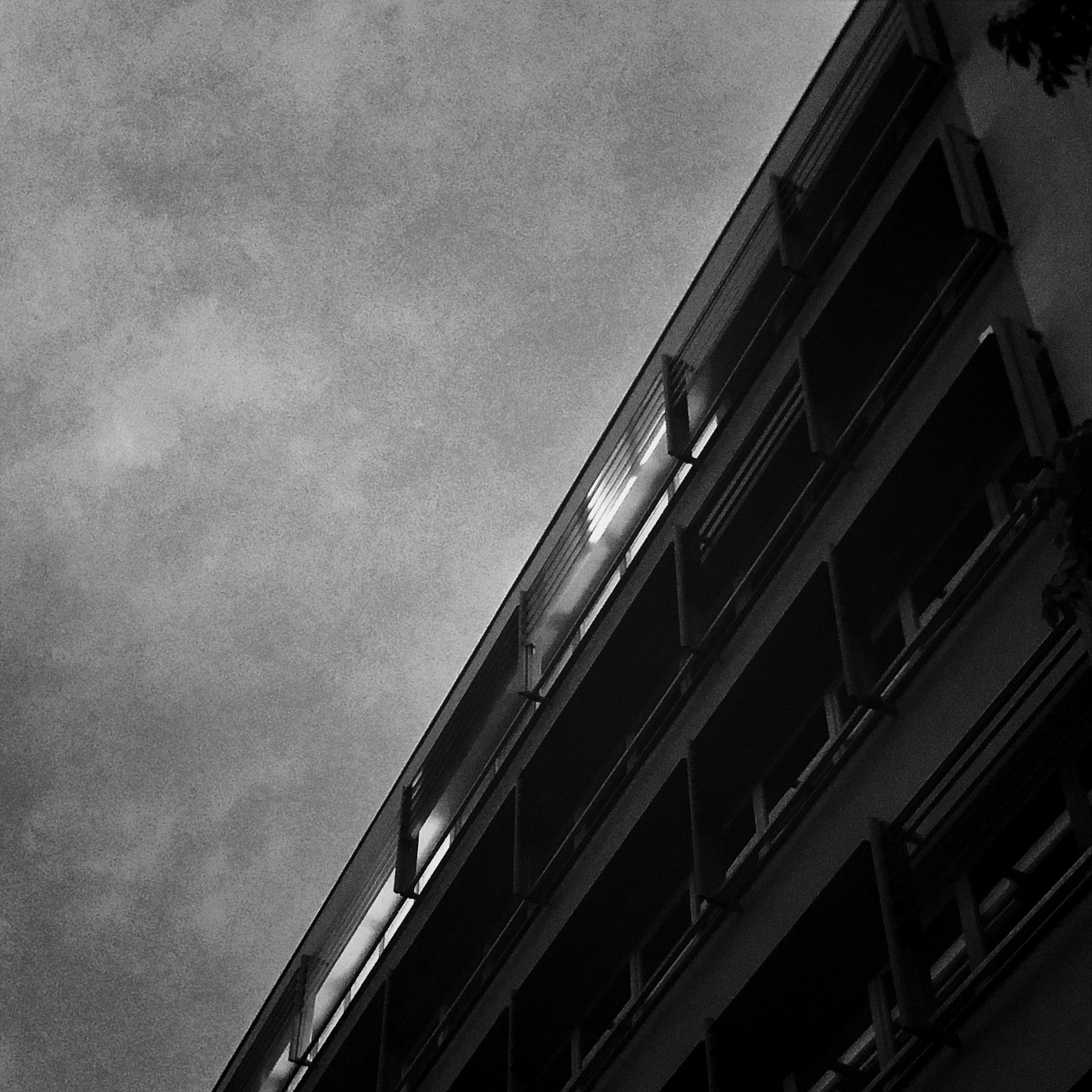
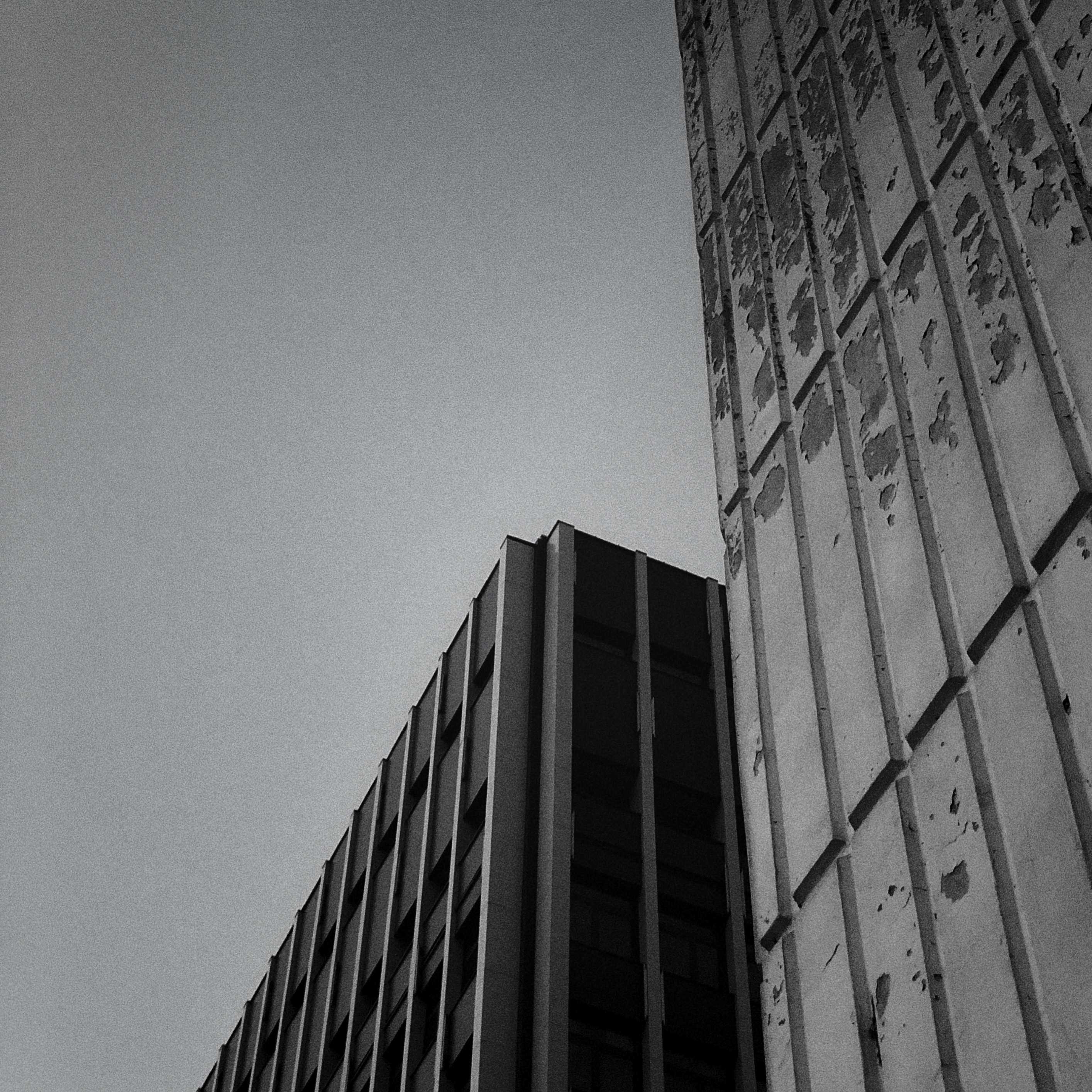
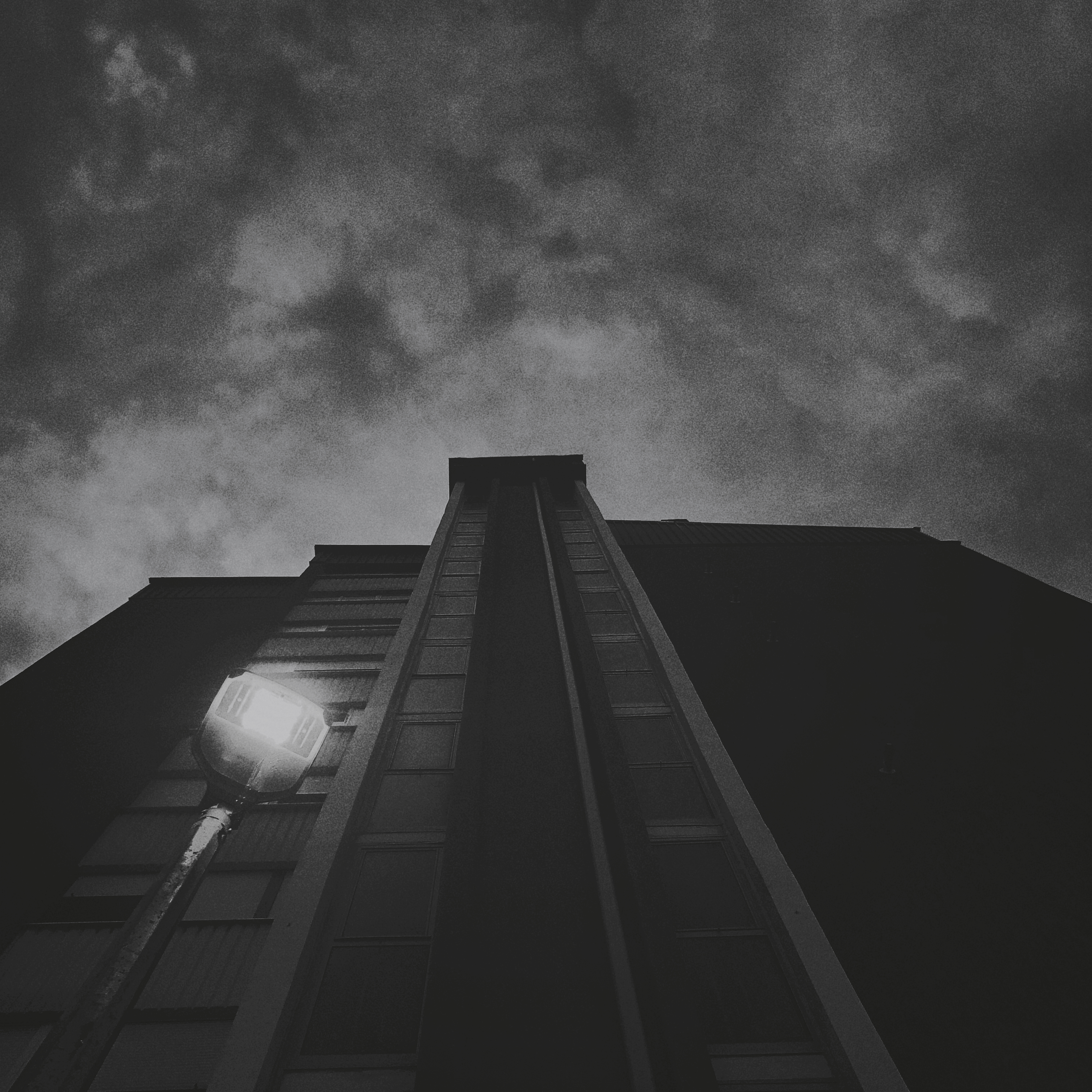
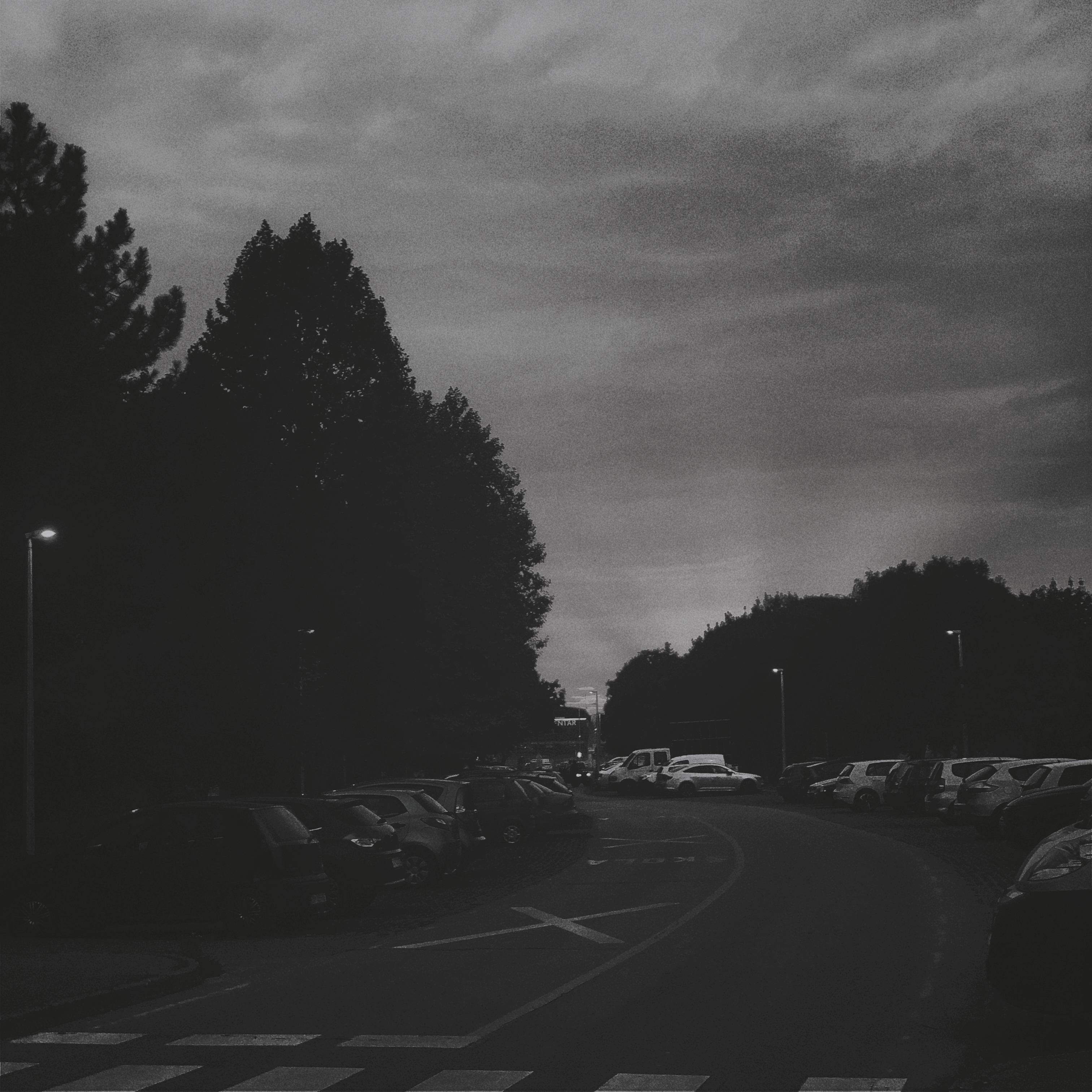
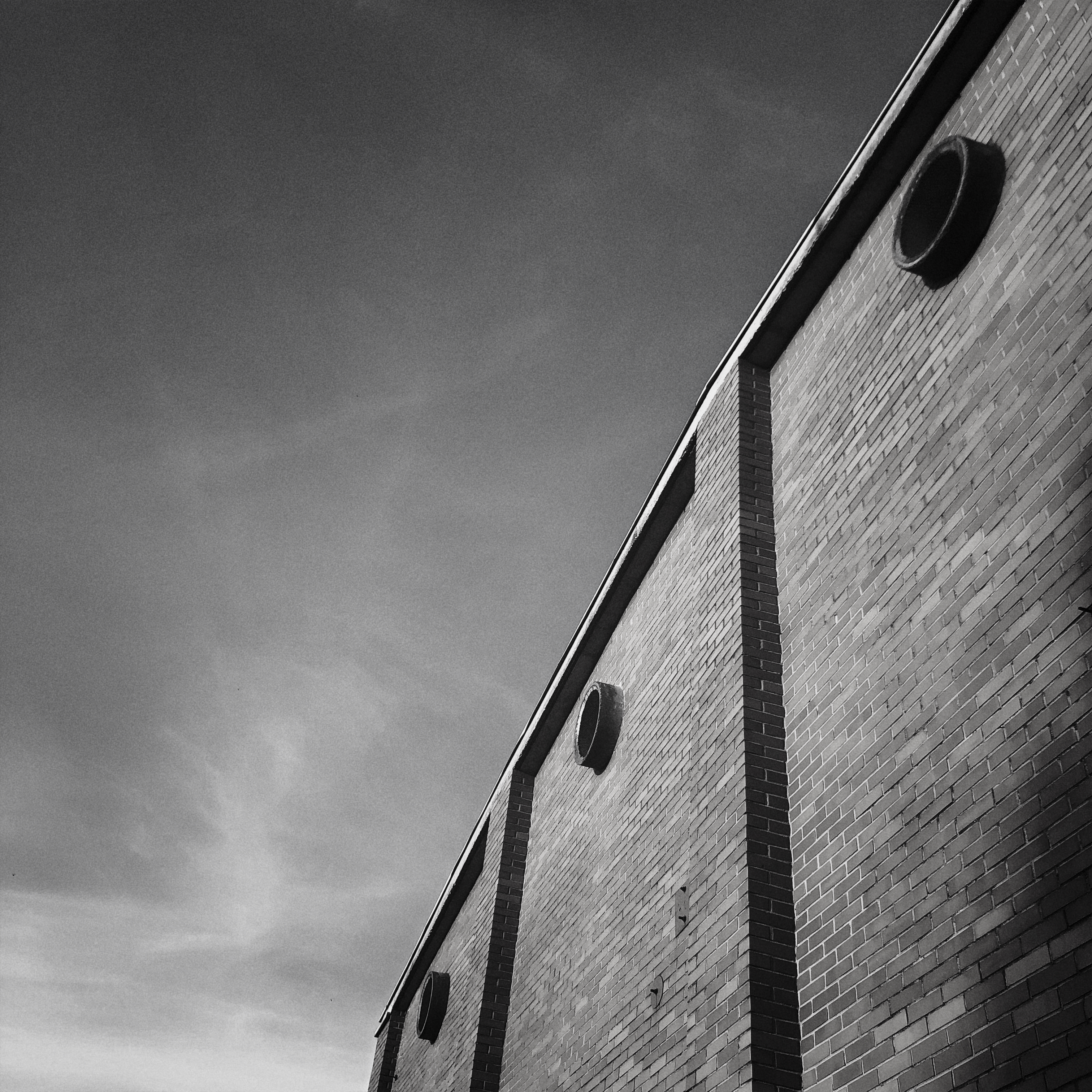
Monochrome photography is photography where each position on an image can record and show a different amount of light, but not a different hue. It includes all forms of black-and-white photography, which produce images containing shades of neutral grey ranging from black to white. Other hues besides grey, such as sepia, cyan, blue, or brown can also be used in monochrome photography. In the contemporary world, monochrome photography is mostly used for artistic purposes and certain technical imaging applications, rather than for visually accurate reproduction of scenes.